Activated Carbon Systems: When Should Media Be Replaced?
2026-08-26
Why This Topic Matters
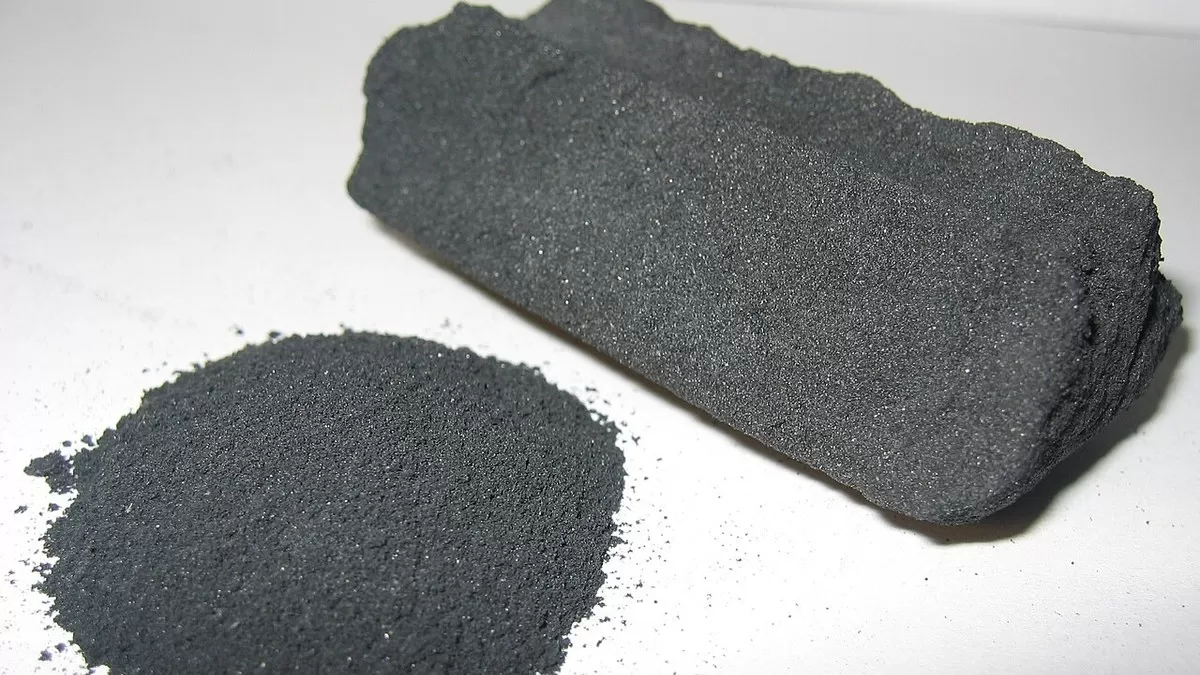
Replacing activated carbon every three months may be too early for one process and dangerously late for another. Adsorbent life depends on inlet concentration, airflow, compound mix, humidity, temperature, dust and oil mist, bed depth and operating hours. A fixed calendar can support planning, but it should not be the only control. Operators need indicators that show when the bed is loading, bypassing or losing useful capacity.
Track breakthrough
Inlet and outlet measurements—or a suitable surrogate—show whether pollutants are passing through the bed.
Watch pressure drop
A rising differential pressure may indicate blockage by dust, oil or condensed material rather than useful adsorption.
Control temperature
Unexpected bed heating can signal a safety issue or an incompatible operating condition and requires a defined response.
Record service history
Operating hours, process changes, carbon batches and replacement dates help improve the changeout plan over time.
What to Include in the RFQ
Pretreatment is often the quiet hero. Filters, demisters and temperature or humidity control can protect carbon pores and extend useful service. The replacement and disposal route should be agreed before commissioning because spent carbon may carry concentrated contaminants and cannot be handled as ordinary waste without assessment.
Validation and Repeatability
Emission-control design should use representative process data and an agreed safety review. Record sampling conditions, production modes, peaks, contaminants, utility limits and the required outlet basis. If the process changes, reassess the treatment train. This protects both compliance and equipment life because a system designed for yesterday’s waste stream may not remain suitable after a new material or production recipe is introduced. Document the reassessment before the changed process returns to normal production, and train operators on new monitoring or maintenance duties.
Final Preproduction Check
Before release, confirm that the approved sample, test method and acceptance limits reflect production-scale conditions. Record changes to materials, settings or service environment, because repeatability depends on controlling the complete system rather than one isolated specification.
Conclusion
Zhongkang provides activated-carbon adsorption boxes and combined VOC treatment systems. We can review inlet conditions, pretreatment, monitoring points and maintenance access as part of a complete equipment proposal. Need a better carbon changeout plan? Start with inlet data and operating history.