

Baghouse Differential Pressure: A Practical Troubleshooting Guide
2026-07-31
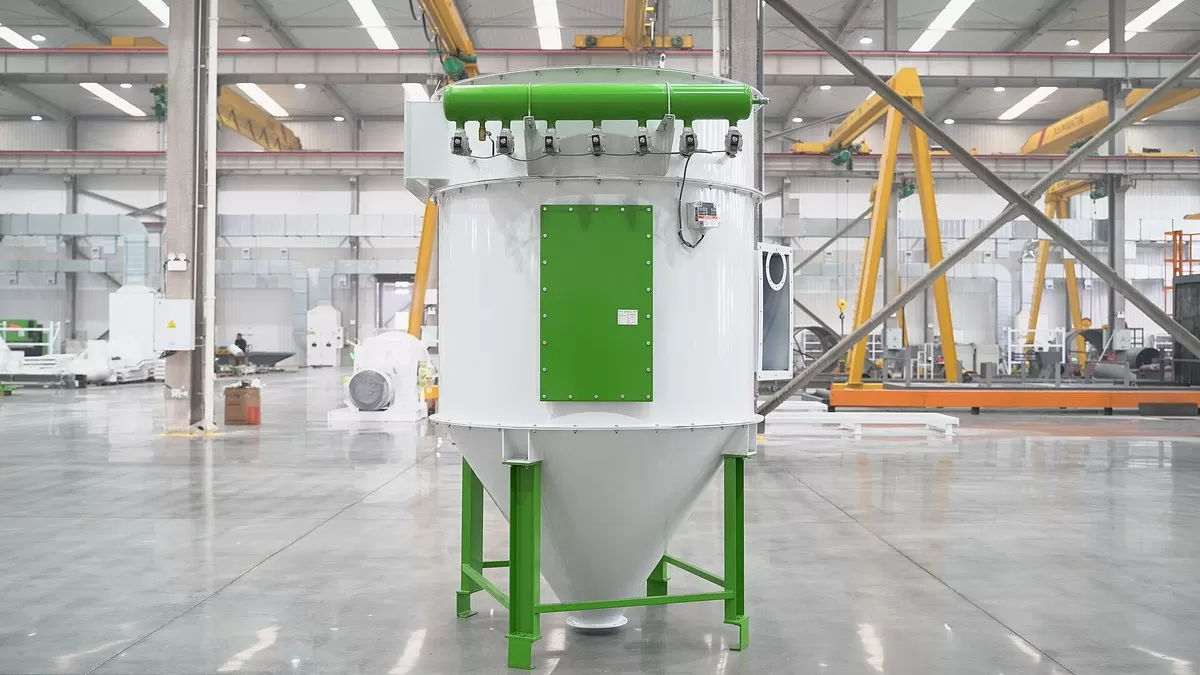
Pressure drop is a diagnostic signal
Differential pressure shows the resistance between the dirty and clean sides of a baghouse. A gradual rise often reflects filter-cake buildup, while a sudden change may point to a process event, blocked line or instrument problem. The absolute value matters less than the trend under comparable airflow and production conditions.
High pressure drop has several causes
Loaded filters are common, but ineffective pulse cleaning may result from low compressed-air pressure, failed valves, plugged blowpipes or incorrect timing. Sticky or hygroscopic dust can blind the media, especially when gas temperature approaches the dew point. Excess airflow also raises pressure drop. Diagnose these possibilities before replacing bags automatically.
Low pressure drop is not always good
A sudden decrease can mean reduced airflow, a broken bag, a loose cage, an open bypass or a leaking access door. It may also indicate that the pressure taps or tubing are blocked. Check fan operation, emissions and instrument zero. If outlet dust rises while differential pressure falls, inspect the clean side and filter integrity promptly.
Trend the variables together
Record differential pressure with airflow, fan speed, pulse frequency, compressed-air pressure, temperature, humidity and production rate. Establish a clean-filter baseline and practical alarm limits for the specific system. Maintenance teams should inspect pressure taps and verify sensor calibration on schedule. Context-rich trends turn one number into a useful maintenance tool.